

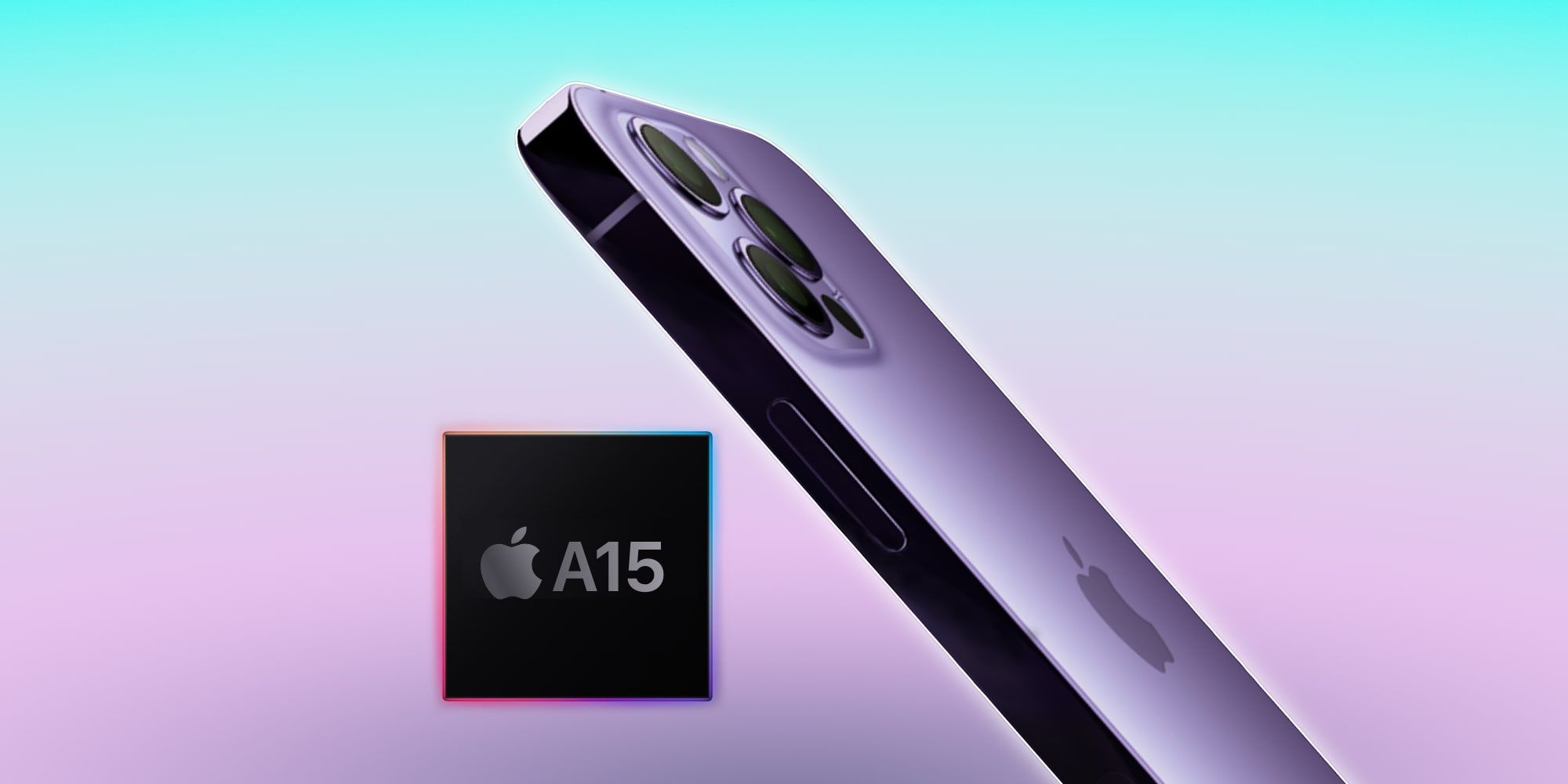
A recent rumor claims that Apple might be increasing the price of its upcoming iPhone 13 to compensate for the rising cost of components. Apple has been cracking down on product leaks recently, however, it is much more difficult to control supply chain information since it operates on such a large scale.
Apple updates its iPhone every year and many of the improvements can be predicted. The processor gets faster, sometimes by as much as 20 percent, which enables additional features to be handled by the operating system. That means each year, the iPhone has better performance and becomes easier to use. Recently, neural processors have played a big role in smartphone capabilities and that will undoubtedly happen again with photo processing getting better and Siri, hopefully, becoming more intelligent, which is one of the iPhone's few weaknesses.
A recent report from Digitimes suggests that TSMC, Apple's primary chip supplier and manufacturer of the A15 that is coming to the iPhone 13, is increasing prices by as much as 20 percent. The story, which was first spotted by MacRumors, explains that the highest prices will allegedly apply to chips that use its older 7-nanometer and larger process, while the cost of 5-nanometer chips, such as the A15, might climb by 3 to 10 percent. Since Apple orders various chips from TSMC, the overall increase in cost to Apple will supposedly be 3 to 5 percent. An interesting detail from the Digitimes report claims that TSMC's increases will take effect in January of 2022. If the report is accurate, this means that the current costs to Apple have not changed. Apple might raise the price of the iPhone 13 based on anticipation of changes coming in 2022, knowing that the current strong demand provides an opportunity for a modest increase in advance to protect its margins
The iPhone includes a large number of components, including a variety of semiconductors, along with a circuit board, antennas, shielding, battery, aluminum, glass, cameras, speakers, connectors, and more. A five percent increase in chip cost might not affect total costs by that much. Pricing decisions take costs into account but carefully balance consumer demand as well. Since Apple has had great success with the iPhone 12 and virtually every other product it has launched recently, there is certainly room for a price bump.
It isn't clear whether Apple will be charging more, but if it does, a 3 percent increase over the iPhone 12 Pro would come to $1,029, an unlikely figure. A 5 percent bump would equal about $50 for the Pro models. A price guess of $1,049 sounds more reasonable for an iPhone 13 Pro and $1,149 for the Pro Max. The iPhone 13 and iPhone 13 mini price points are more likely to be affected by consumer demand. Apple might not change those prices at all, particularly since the iPhone 12 mini saw low demand. Overall, the rumor of the rising component costs affecting Apple enough to increase the price of the iPhone 13 is reasonable but the change will probably be minimal.
https://ift.tt/3yra6yk
August 27, 2021 at 12:18AM


